
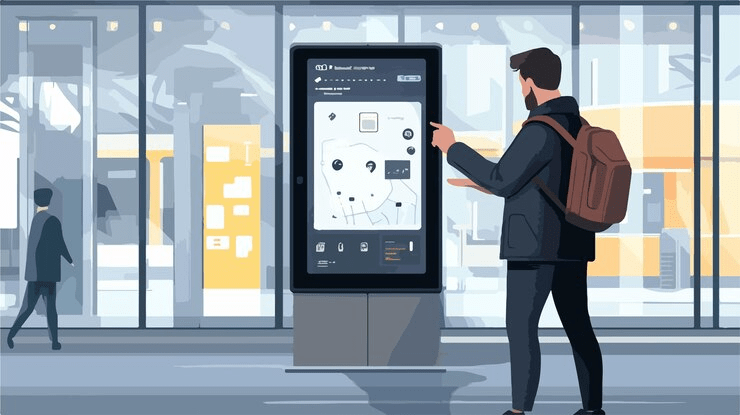
Imagine your brand’s story coming to life right before your eyes—vivid, dynamic, and impossible to ignore. Digital signage is not just a screen; it’s your powerful tool to capture attention and connect with your audience on a deeper level.
In 2026, this technology is transforming how brands communicate, making your message more engaging and memorable than ever. Ready to discover how digital signage can turn your brand story into an experience people won’t forget? Keep reading, because what you learn here could change the way you connect with your customers forever.
Digital Signage Trends In 2026
Digital signage is changing fast in 2026. New trends are making it more useful for brands. Screens are no longer just for showing ads. They tell stories and connect with people in real time. This shift helps brands build a stronger image and keep customers interested.
Technology plays a big role in these changes. Brands use new tools to make displays smarter and more interactive. This helps messages feel personal and clear. Digital signage is becoming a key tool in brand storytelling.
Emerging Technologies
New tech like flexible OLED screens and 3D displays are gaining ground. These screens offer brighter colors and sharper images. They catch eyes and keep people watching longer. Portable and curved displays fit different spaces well.
Cloud-based software helps brands update content quickly. This means stories can change based on time, place, or audience. It makes messages more relevant and timely.
Integration With AI And IoT
Artificial intelligence helps digital signs learn from viewers. They can show content that suits each person’s interests. Sensors and cameras collect data to improve this process. Internet of Things devices connect signs to other smart tools.
This connection allows signs to react to weather, traffic, or nearby events.
For example, a sign might display raincoat ads when it starts to rain. This smart approach makes brand stories more real and useful.
Interactive Displays
Touchscreens and gesture controls invite people to join the story. Users can explore products, watch videos, or play games. This hands-on experience makes brand messages stick better.
Interactive signs often use QR codes or mobile apps. They let customers take the story with them. This creates a lasting bond between the brand and its audience.
Enhancing Brand Identity
Digital signage plays a key role in enhancing brand identity. It offers a clear, visual way to share a brand’s story. This helps people remember and recognize the brand easily. Using digital screens, brands can show who they are and what they stand for in real time. This keeps the brand fresh and relevant to the audience.
Visual Storytelling Techniques
Digital signage uses images, videos, and animations to tell a story. Bright colors and bold designs catch attention quickly. Simple messages with strong visuals make the brand’s story easy to understand. Moving images guide viewers through the brand’s message step-by-step. This creates a memorable experience that stays in the mind.
Consistency Across Channels
Keeping the same style and tone across all screens builds trust. Digital signage matches the look of websites, social media, and print ads. This creates a smooth, unified brand image everywhere. Customers feel more confident when the brand looks the same in all places. Consistency helps the brand stand out and be recognized fast.
Emotional Engagement
Digital signage can connect with people’s feelings. Stories shown on screens can inspire, excite, or comfort viewers. This emotional link makes the brand more real and relatable. When people feel something, they remember the brand better. Digital signage creates moments that build strong bonds with customers.
Personalized Customer Experiences
Personalized customer experiences shape how brands connect with people. Digital signage lets brands show content tailored to each person.

This approach makes customers feel valued and understood. It turns ordinary visits into memorable moments.
Data-driven Content
Data helps create relevant messages for customers. Brands collect information like age, interests, and buying habits. Digital signs use this data to show the right content. This keeps customers interested and engaged. It also helps brands deliver messages that matter most.
Real-time Customization
Digital signage can change content instantly. It adapts messages based on the current audience or situation.
For example, it can promote a sale or event happening now. This keeps the information fresh and useful. Customers appreciate seeing timely and helpful updates.
Location-based Messaging
Messages change depending on where the customer is. Signs near entrances show welcoming messages. Signs near products highlight special offers or features. This makes the shopping experience easier and more fun. Customers get the right information at the right place.
Measuring Impact And ROI
Measuring the impact and return on investment (ROI) of digital signage is crucial for brands. It helps businesses see if their storytelling is effective. Digital signage offers clear data to track performance and improve strategies. Understanding these metrics guides brands to make smarter decisions.
Analytics And Metrics
Digital signage platforms collect various data points. These include views, engagement time, and interaction rates. Brands can track which content attracts the most attention. This data shows how well the message connects with the audience. Accurate analytics help measure campaign success clearly.
Customer Behavior Insights
Digital signage reveals customer habits and preferences. It shows peak viewing times and popular locations. Brands learn what content customers prefer and respond to. This insight helps tailor stories to match audience needs. Understanding behavior improves brand connection and loyalty.
Optimizing Campaigns
Using data, brands can adjust their digital signage campaigns. They can test different messages and visuals to see what works best. This process saves time and resources. Continuous optimization leads to higher engagement and better ROI. Smart tweaks keep brand stories fresh and relevant.
Challenges And Solutions
Digital signage plays a big role in telling a brand’s story in 2026. It brings stories to life with visuals and motion. Yet, there are challenges that brands face. These challenges can slow down or stop the success of digital storytelling. Finding the right solutions helps brands use digital signage better.
Content Management
Managing content for digital signage can be tough. Brands need fresh and relevant content all the time. It takes effort to create and update this content. A good content management system (CMS) helps. It makes uploading and scheduling easier. Some CMS tools also offer templates. These help keep brand messages clear and consistent. Planning content in advance avoids last-minute rushes.
Technical Limitations
Technical problems can block the smooth use of digital signage. Screens may face issues like poor resolution or slow loading. Some locations may have weak internet connections. Choosing the right hardware and software is key. Testing the system before going live avoids errors. Regular maintenance keeps signs working well. Backup plans help if technology fails.
Privacy Concerns
Privacy is a big concern with digital signage. Some signs collect data to personalize content. This can make people feel uncomfortable. Brands must follow privacy laws and respect user data. Clear notices about data use build trust. Avoid collecting more data than needed. Protecting data from misuse is very important. Privacy-friendly solutions keep the brand safe and trusted.
Future Opportunities
Digital signage is evolving fast. New tools and ideas bring exciting chances for brands. Storytelling through screens will reach deeper and wider audiences. Technology will help brands tell clearer and richer stories.

Future opportunities will change how brands connect with people. Creativity and tech will work side by side. Let’s explore key trends shaping this future.
Augmented Reality Integration
Augmented reality (AR) adds digital layers to the real world. It can make digital signs interactive and fun. Shoppers can see products in 3D or try virtual samples. AR creates a personal and memorable brand experience. This helps brands stand out and keep attention longer.
Sustainability In Digital Signage
Eco-friendly digital signs use less power and materials. Brands want to show care for the planet through their messages. Sustainable signs help reduce waste and energy use. This also builds trust and respect from customers. Green storytelling will grow as a key brand value.
Cross-platform Storytelling
Stories told across screens and devices reach more people. Brands can use phones, tablets, and digital signs together. This creates a smooth and consistent story experience. Audiences can interact anytime and anywhere. Cross-platform storytelling keeps brand messages clear and connected.
Frequently Asked Questions
Digital signage uses screens to display dynamic content that tells a brand’s story. It engages customers visually and emotionally. This method enhances brand recognition and connects with audiences in real time. It’s a powerful tool for modern marketing strategies.
Digital signage attracts attention with vibrant visuals and interactive features. It delivers personalized messages that resonate with viewers. This increases customer interaction and loyalty. It creates memorable brand experiences that drive sales and awareness.
In 2026, digital signage offers real-time updates and data-driven content. It adapts quickly to consumer trends and preferences. Brands gain a competitive edge by delivering relevant, targeted storytelling. It’s essential for effective communication in a fast-paced market.
Yes, digital signage boosts brand awareness by showcasing consistent messaging. It reaches diverse audiences across multiple locations. High-quality visuals and timely content create lasting impressions. This enhances brand recall and customer trust.
Conclusion
Digital signage shapes how brands tell their stories in 2026. It grabs attention and shares messages quickly. Brands connect better with their audiences through clear visuals. This technology helps create memorable and engaging experiences. As screens become more common, storytelling grows stronger and more creative.
Brands that use digital signage stay relevant and interesting. Storytelling moves beyond words to include images and videos. This change makes brand messages easier to understand and enjoy. Digital signage plays a key role in modern brand communication. It keeps stories alive and audiences engaged every day.
To get help setting up easy-to-use, affordable Escreen digital signage software, start a Free trial of Escreen Software here.
If you would like, you can request a demo to discover how Escreen digital signage can work for you!