
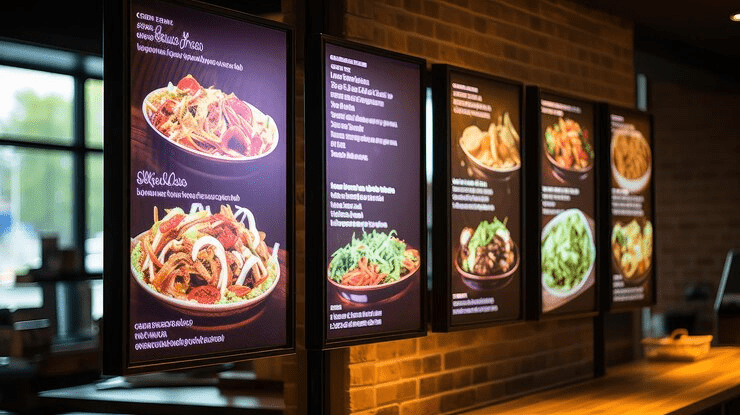
Imagine walking into your favorite restaurant and instantly seeing vibrant, eye-catching menus that change with your mood or the time of day. What if ordering your meal became as simple as tapping on a screen that knows exactly what you like?
Interactive digital signage is transforming the way you experience dining by making it more engaging, fun, and personalized. If you want to discover how this technology can turn an ordinary meal into a memorable event, keep reading. Your next dining experience might just surprise you.
Benefits Of Interactive Digital Signage
Interactive digital signage offers many benefits for restaurants and diners. It changes how people see menus and interact with dining spaces. This technology helps create a more lively and inviting environment. It also supports better communication between the restaurant and its customers.
The following sections explain key benefits of using interactive digital signage in dining areas.
Increasing Customer Engagement
Interactive screens catch customer attention easily. They invite users to touch, swipe, and explore menu options. This hands-on experience makes dining more fun and memorable. Customers tend to spend more time looking at the menu. They also try new dishes after seeing detailed descriptions and images. Engagement leads to higher satisfaction and return visits.
Enhancing Visual Appeal
Bright, colorful displays improve the look of any dining space. Digital signs show vivid pictures and videos of meals. They bring menus to life in ways printed menus cannot. Dynamic content changes with time or customer choices. This keeps the atmosphere fresh and interesting. Well-designed visuals create a strong first impression for guests.
Personalizing Dining Experiences
Interactive signage can tailor content to each customer. It can suggest dishes based on preferences or past orders. Some systems offer language options for easier understanding. Personalization makes diners feel valued and understood. It reduces confusion and speeds up ordering. This creates a smoother, more enjoyable dining experience.
Types Of Interactive Signage For Restaurants
Interactive digital signage changes how restaurants connect with guests. These signs offer more than just menus or ads. They invite customers to explore and interact. Different types of interactive signage fit different restaurant styles and needs. Each type helps improve the dining experience in unique ways.
Here are some popular types of interactive signage for restaurants.
Touchscreen Menus
Touchscreen menus let diners browse food options easily. Customers tap to see pictures, descriptions, and prices. They can customize their orders without waiting for a server. This speeds up ordering and reduces mistakes. Touchscreen menus also update in real time. This keeps the menu fresh and accurate.
Augmented Reality Displays
Augmented reality (AR) adds virtual images to the real world. AR displays let customers see 3D models of dishes. They can view meals from all sides before ordering. This helps guests choose with confidence. AR can also show fun animations or ingredients. It makes dining more exciting and memorable.
Tabletop Interactive Screens
Tabletop screens sit right on the dining table. Guests use them to order food and drinks at their own pace. These screens offer games and entertainment during waits. They can also call servers or pay bills directly. Tabletop interactive screens improve comfort and control for diners.
Designing Effective Content
Designing effective content is key to enhancing the dining experience with digital signage. The content must catch attention quickly. It should be clear and easy to read. Guests notice vibrant images and fresh updates.
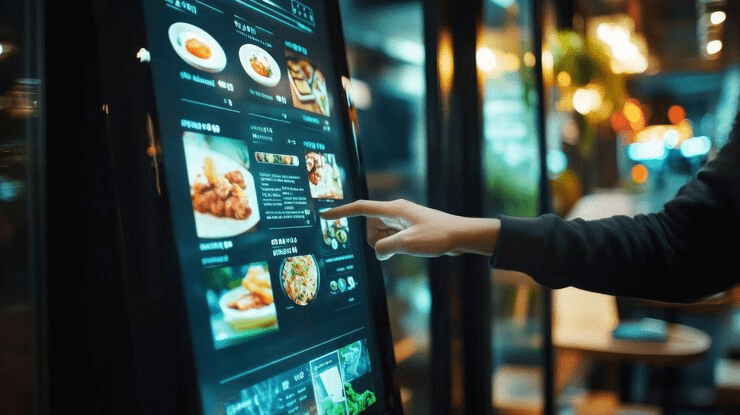
Interactive digital signage works best with content that feels alive and relevant. Every detail matters, from visuals to updates and social connections. This section explores how to create content that draws diners in and keeps them engaged.
Using High-quality Visuals
High-quality visuals make a strong first impression. Crisp images of food and drinks attract guests. Use bright colors and clear pictures to showcase menu items. Avoid blurry or low-resolution photos. Visuals should match the restaurant’s style and theme. Good visuals help diners decide what to order faster. They create a sense of freshness and care. This boosts the overall dining mood.
Incorporating Real-time Updates
Real-time updates keep content fresh and useful. Show current specials, wait times, or new menu items instantly. Dynamic content makes diners feel informed and valued. It also helps manage customer expectations. For example, displaying wait times reduces frustration. Update content often to maintain interest. This approach keeps the digital signage relevant every visit.
Integrating Social Media Feeds
Social media feeds add a lively touch to digital signage. Display customer photos, reviews, or posts in real time. This builds trust and a sense of community. Guests enjoy seeing others’ experiences. It encourages them to share their own moments. Social feeds also promote special events or offers quickly. This makes the dining space feel connected and fun.
Technology Integration Tips
Integrating technology into your dining space can greatly improve the customer experience. Choosing the right tools and making sure they work well together is key. This section shares simple tips to help you add digital signage smoothly.
Choosing The Right Hardware
Select screens that fit your space and style. Consider size, resolution, and durability. Look for displays that can handle bright lighting and constant use. Touchscreens add interactivity but need more care. Choose hardware that matches your budget but lasts long.
Ensuring Seamless Connectivity
Strong internet is vital for digital signage to work well. Use reliable Wi-Fi or wired connections. Test the network regularly to avoid slowdowns. Backup options can prevent disruptions. Keep cables organized and safe to avoid accidents.
Optimizing Software Performance
Pick software that is easy to use and update. It should support your content and display needs. Regularly update the software to fix bugs and add features. Use simple layouts for quick loading and clear messages. Monitor software speed and fix any lag immediately.
Measuring Impact On Customer Experience
Measuring the impact of interactive digital signage on customer experience is key for restaurants. It helps understand how customers react and what improvements are needed. Clear data shows what works and what needs change. This leads to better service and happier diners.
Tracking Engagement Metrics
Digital signage provides many ways to track customer actions. Metrics like touch interactions, time spent, and menu views show interest levels. Tracking these numbers reveals popular content and less engaging displays. Restaurants can spot trends and adjust displays to keep diners involved.
Collecting Customer Feedback
Feedback gathers direct opinions from diners. Simple surveys or ratings on screens give quick insights. Customers share what they like or dislike about the digital signage. This helps identify problems and areas for improvement. Honest feedback guides smarter choices in content and design.
Adjusting Strategies Based On Data
Data analysis leads to better decisions. Restaurants can change menus, offers, or visuals based on feedback and metrics. Testing new ideas and watching results improves the overall experience. Continuous updates keep the digital signage fresh and useful for customers.
Case Studies Of Successful Implementation
Many restaurants have improved their dining experience using interactive digital signage. These real examples show how different types of restaurants use technology.
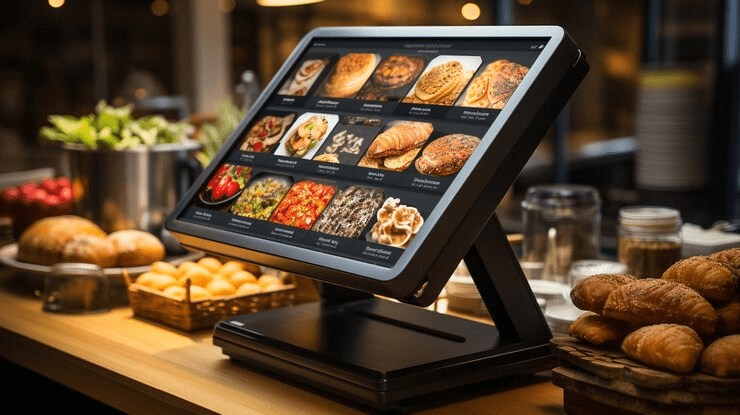
Each case highlights benefits like faster service, better customer interaction, and increased sales. Let’s explore how quick-service, fine dining, and casual cafes have made digital signage work for them.
Quick-service Restaurants
Quick-service restaurants use digital menus to speed up ordering. Screens show vibrant images and easy-to-read options. Customers can customize orders on touchscreens. This reduces mistakes and wait times. One chain saw a 20% rise in order accuracy. Another reported faster customer flow during busy hours. Interactive signage also promotes new items effectively. This keeps customers interested and increases average spending.
Fine Dining Establishments
Fine dining places use digital signage to enhance ambiance and service. They display artwork, wine lists, and chef specials digitally. This adds a modern touch without losing elegance. Some use tablets for wine pairing suggestions. Guests enjoy learning about dishes and drinks interactively. Restaurants report higher guest satisfaction and longer visits. Staff use technology to provide personalized recommendations easily.
Cafes And Casual Dining
Cafes and casual spots use digital signage for menus and promotions. They update content quickly to match the time of day. Breakfast menus switch to lunch options smoothly. Interactive screens offer loyalty program sign-ups on the spot. Customers engage more with seasonal offers and events. These tools help small businesses compete with bigger chains. Many report stronger community connections and repeat visits.
Future Trends In Digital Dining Experiences
Digital dining is evolving fast. Restaurants use new tech to improve how guests eat and order. Interactive digital signage plays a big role in this change. It makes dining easier, faster, and more fun. The future holds exciting trends that will shape how we experience meals.
Ai-driven Personalization
AI helps customize dining choices. It learns what customers like and suggests dishes. This makes ordering quick and tailored. Guests get menus based on their past visits. AI also adapts to dietary needs and preferences. Personal touch through technology enhances satisfaction.
Voice-activated Ordering
Voice ordering lets customers speak to place orders. It removes the need to touch screens or wait for staff. This method speeds up service and reduces errors. Voice systems understand simple commands and repeat orders for clarity. It creates a smooth, hands-free dining process.
Integration With Mobile Devices
Mobile devices connect with digital signage for a seamless experience. Guests can browse menus on their phones and send orders directly. This integration offers convenience and control. Restaurants can update menus instantly on all devices. It keeps customers informed and engaged in real time.
Frequently Asked Questions
Interactive digital signage uses touchscreens or motion sensors to engage diners. It provides menus, promotions, and entertainment, enhancing the overall dining experience.
It offers personalized content and easy navigation. Customers can explore menu options, place orders, and access promotions, increasing satisfaction and interaction.
Yes, it streamlines ordering and payment processes. This reduces wait times and improves order accuracy, leading to faster service.
Owners gain real-time analytics, targeted marketing, and reduced labor costs. Interactive signage boosts sales and improves operational efficiency effectively.
Conclusion
Interactive digital signage brings new life to dining spaces. It makes menus clear and easy to read. Customers enjoy choosing meals with simple touchscreens. This technology helps restaurants serve faster and cut errors. Guests feel more involved and entertained while waiting.
Staff can focus more on good service. Digital signs update menus instantly, saving time and paper. Overall, interactive signage improves both customer joy and restaurant efficiency. A smart step for any dining place wanting to grow and connect better.
To get help setting up easy-to-use, affordable Escreen digital signage software, start a Free trial of Escreen Software here.
If you would like, you can request a demo to discover how Escreen digital signage can work for you!