
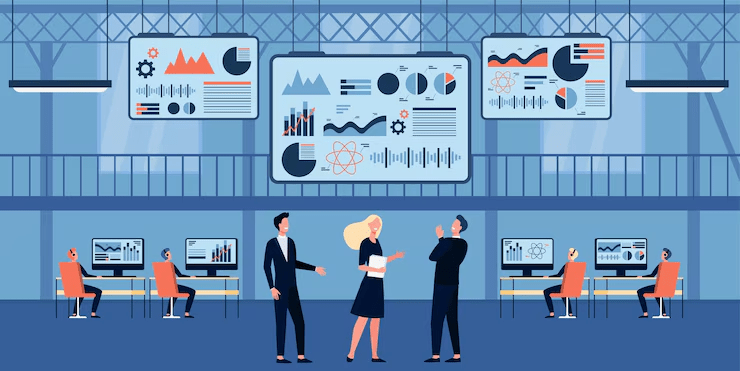
Are you ready to make your digital signage campaigns work smarter, not harder? Imagine knowing exactly what catches your audience’s eye and when to show it for the biggest impact.
Data-driven digital signage lets you do just that by using analytics to fine-tune your messages and boost engagement. You’ll discover how tapping into real-time data can transform your campaigns, helping you connect better with your audience and get more from every display.
Keep reading to unlock the secrets of smarter, more effective digital signage.
Benefits Of Data-driven Signage
Data-driven digital signage uses real data to improve how signs work. This approach helps businesses connect better with their audience. It also makes campaigns more effective by using facts instead of guesses. Below are some key benefits of data-driven signage.
Enhancing Audience Engagement
Data shows what the audience likes and reacts to. Signs can change content based on these insights. This keeps viewers interested and attentive. Engaged viewers are more likely to remember the message. Data-driven signs can also target specific groups at the right time.
Optimizing Content Delivery
Analytics help decide which content works best. Signs display content that matches the audience’s preferences. This avoids wasting time on irrelevant messages. Content can update automatically based on real-time data. This makes the signage more dynamic and useful.
Measuring Campaign Impact
Data tracks how well a campaign performs. Businesses see which messages attract the most attention. They can check the time spent watching each ad. This information helps improve future campaigns. It also proves the value of digital signage investment.
Types Of Analytics For Digital Signage
Digital signage becomes smarter with the right analytics. These analytics help businesses understand how audiences interact with their displays. Various types of data give insights into audience behavior and campaign effectiveness. This knowledge helps create better, targeted content.
Audience Demographics
This type of analytics collects data about who watches the digital signs. It includes age, gender, and sometimes even mood or emotion. Knowing the audience helps tailor content that appeals directly to them. This makes campaigns more relevant and effective.
Dwell Time Tracking
Dwell time measures how long people look at the screen. Longer viewing means higher interest in the content. Tracking this time shows which messages grab attention best. It helps improve content by focusing on what keeps viewers engaged.
Interaction Metrics
Interaction metrics track how people interact with touch screens or QR codes. They show which parts of the display get the most engagement. This data reveals what users like or want to learn more about. It guides changes to increase interaction and results.
Collecting Data Effectively
Collecting data effectively is the first step to creating smart digital signage campaigns. It helps businesses understand their audience better. Good data collection means accurate and useful information. This data guides decisions and improves content relevance. Choosing the right tools and methods is key to gathering the best data.
Sensors And Cameras
Sensors and cameras capture real-time audience reactions. They count people and track movement patterns. This data shows how many people see the display and for how long. Cameras can also estimate age and gender, adding more detail to the audience profile. These tools work silently without interrupting the customer experience.
Mobile And Wi-fi Tracking
Mobile and Wi-Fi tracking follow devices as they move near displays. This method records dwell time and repeat visits. It helps identify loyal customers and busy times. Tracking works by detecting signals from smartphones. This data provides insights into customer behavior and preferences in different locations.
Third-party Data Integration
Third-party data adds valuable context to collected information. It includes weather, local events, and demographics. Combining these data sources helps tailor campaigns to the audience’s environment. Integration allows for dynamic content changes based on outside factors. This makes digital signage more relevant and timely.
Leveraging Ai And Machine Learning
Artificial Intelligence (AI) and Machine Learning (ML) shape the future of digital signage. These technologies analyze vast amounts of data quickly. They help create smarter, more targeted campaigns. Using AI and ML, businesses can deliver the right message at the right time. This approach improves customer engagement and boosts campaign success.
Predictive Content Scheduling
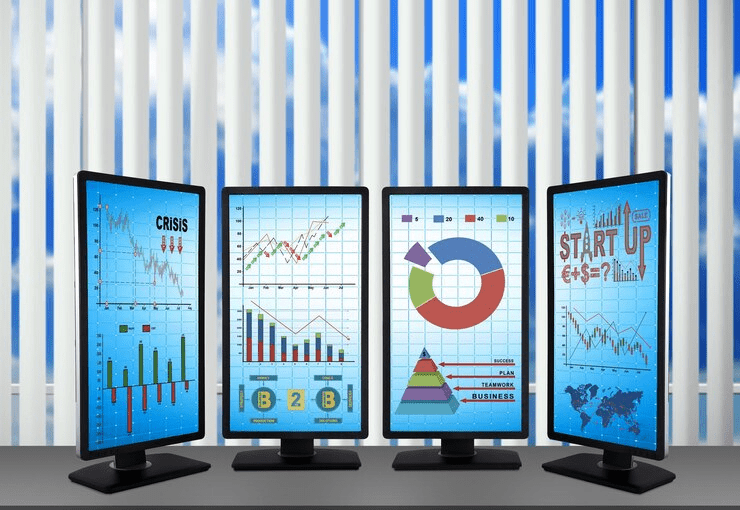
AI predicts the best times to show content. It studies past audience behavior and trends. This helps schedule messages when viewers are most attentive. Predictive scheduling reduces wasted impressions. It ensures content reaches the audience when it matters most.
Real-time Content Adaptation
Machine Learning adjusts content based on live data. Weather, foot traffic, and current events influence what is shown. This real-time adaptation keeps messages relevant and interesting. Audiences respond better to content that matches their environment.
Automated Performance Analysis
AI tools analyze campaign results automatically. They track which content works and which does not. This data helps marketers improve future campaigns. Automated analysis saves time and increases efficiency. It provides clear insights without manual effort.
Case Studies Of Successful Campaigns
Data-driven digital signage uses analytics to improve advertising results. Real examples show how smart data changes campaign success. These case studies cover retail, transportation, and events. Each shows how data helps tailor messages and attract more viewers.
Retail Sector Success Stories
One clothing store used data to track customer visits by time. They showed different ads for morning and evening shoppers. Sales of featured products rose by 20% in three months. Another grocery chain displayed recipes based on popular items. This increased customer engagement and boosted sales of those products.
Transportation Hub Deployments
A busy train station used digital signs to show real-time updates and ads. Analytics helped choose the best ads for waiting passengers. Engagement rose, and advertisers saw better returns. At an airport, screens showed personalized messages based on flight delays. Passengers appreciated the updates, and shops nearby noticed more customers.
Event And Entertainment Uses
Concert venues used digital signs to promote upcoming shows and merchandise. Data showed which messages attracted the most attention. Organizers adjusted content quickly to match audience interests. Sports arenas displayed ads based on crowd size and timing. This helped sponsors reach fans more effectively and increased revenue.
Challenges And Privacy Considerations
Data-driven digital signage offers great benefits but also brings challenges. Privacy is a key concern for businesses and customers alike. Handling data carefully is necessary to build trust. Ignoring privacy can lead to legal trouble and lost customers. Understanding these challenges helps create smarter, safer campaigns.
Data Security Measures
Protecting data is the first step in privacy. Use strong encryption to keep information safe. Regularly update software to block new threats. Limit access to data only to trusted staff. Back up data to avoid loss from attacks. Monitor systems for unusual activity every day.
Compliance With Regulations
Follow laws about data collection and use strictly. Different countries have different rules to protect privacy. Know the rules for your location and audience. Keep clear records of data handling processes. Train employees on legal requirements and company policies. Compliance reduces risk and shows respect for customers.
Balancing Personalization And Privacy
Personalization improves customer experience but needs caution. Collect only data that is needed for campaigns. Avoid tracking sensitive or personal details without consent. Offer clear choices to customers about data sharing. Use anonymous or aggregated data when possible. This balance keeps customers happy and respects their privacy.
Future Trends In Digital Signage Analytics
Digital signage analytics is evolving rapidly, shaping the future of marketing campaigns. These trends help businesses use data more smartly. They improve how campaigns connect with audiences and boost effectiveness.
New technologies and methods will change how digital signage gathers and uses data. These innovations make campaigns more targeted and responsive. Below are key trends shaping this future.
Integration With IoT Devices
Connecting digital signs with IoT devices will grow. Sensors on IoT gadgets collect real-time data from the environment. This data includes weather, traffic, and crowd density. Digital signs use this info to change messages instantly. Ads become more relevant to current conditions. This leads to better audience engagement and higher impact.
Advancements In Sensor Technology
Sensors are becoming more accurate and affordable. Cameras and motion detectors track viewer behavior closely. Eye-tracking sensors measure exactly where people look. Temperature and sound sensors add context to audience mood. These details help tailor content to audience needs. Campaigns will feel more personal and timely.
Expansion Of Predictive Analytics
Predictive analytics will play a bigger role. It uses past data to guess future audience actions. Marketers can plan content that matches trends before they happen. This reduces waste and increases campaign success. AI tools will help analyze big data quickly. Predictions will guide decisions on timing, content, and placement.
Frequently Asked Questions
Data-driven digital signage uses real-time analytics to display targeted content. It adapts messages based on audience behavior and preferences, improving engagement and campaign effectiveness.
Analytics track viewer interactions and demographics. This data helps optimize content, timing, and placement, leading to smarter campaigns and higher ROI.
Common data includes audience age, gender, time of day, and location. These insights allow for personalized content and better customer targeting.
Yes, by delivering relevant and timely messages, it captures attention and encourages interaction. This boosts brand awareness and sales.
Conclusion
Data-driven digital signage helps create smarter marketing campaigns. Analytics show what works and what does not. This insight saves time and money. It also improves audience engagement and message impact. Using clear data, businesses can adjust content quickly. Results become easier to measure and understand.
This approach makes campaigns more effective and focused. Embracing analytics leads to better decisions and success. Smart use of data keeps signs relevant and timely. A simple step towards stronger, clearer communication.
To get help setting up easy-to-use, affordable Escreen digital signage software, start a Free trial of Escreen Software here.
If you would like, you can request a demo to discover how Escreen digital signage can work for you!