
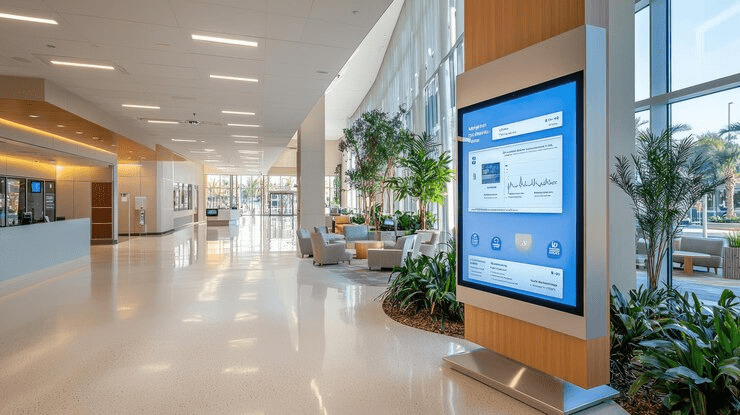
Imagine walking into a healthcare facility where the waiting room feels calm, informative, and even a little comforting. How different would your experience be if the information you needed was clear, engaging, and easy to find?
That’s exactly what digital signage can do for you and your patients. By using bright, dynamic screens, healthcare providers can transform waiting rooms from places of boredom and anxiety into spaces that keep you informed and at ease. You’ll discover how digital signage plays a crucial role in improving patient experience and why it’s becoming a must-have in healthcare settings.
Keep reading to find out how this simple technology can make a big difference for you and those you care about.
Benefits Of Digital Signage In Healthcare
Digital signage in healthcare offers many benefits for patients and staff. It improves the overall experience in waiting rooms and clinics. Clear and timely information helps patients feel more comfortable and informed. This technology supports smooth communication and better health education. It also helps staff work more efficiently.
Enhancing Communication With Patients
Digital signs deliver important messages quickly. They show updates about appointments and services. Patients get clear instructions without needing to ask staff. This reduces confusion and stress in busy areas. Visual information suits people who speak different languages. It keeps everyone informed and calm.
Reducing Perceived Wait Times
Waiting can feel shorter with engaging content on screens. Patients watch health tips, news, or calming images. Distraction helps reduce anxiety and frustration. Digital signage makes waiting rooms feel less dull. Patients are more relaxed and patient while waiting.
Promoting Health Education
Signs share useful health advice and safety tips. Patients learn about diseases, treatments, and prevention methods. This helps them take better care of themselves. Clear visuals make complex topics easier to understand. Education through digital signage supports healthier communities.
Supporting Staff Efficiency
Digital signs reduce repetitive questions from patients. Staff can focus more on care and less on explaining. Screens show real-time updates about waiting times and services. This helps staff manage patient flow better. It creates a smoother and faster healthcare process.
Digital Signage Features For Waiting Rooms
Digital signage in waiting rooms offers many useful features. These features help patients stay informed and comfortable. They make the wait less stressful and more productive.
Clear communication is key. Digital screens provide information quickly and clearly. They also keep the environment calm and organized. The right features improve the overall patient experience.
Real-time Updates And Notifications
Screens show live updates on appointment times. Patients see if there are any delays. Notifications about health tips or clinic news also appear. This keeps everyone informed without confusion.
Interactive Touchscreens
Touchscreens let patients find information themselves. They can check wait times or directions inside the clinic. Some screens offer simple games or health quizzes. This interaction helps pass the time and reduces boredom.
Personalized Content Delivery
Content can change based on patient needs. Screens show relevant health advice or reminders. This personal touch makes communication more meaningful. Patients feel cared for and understood.
Multilingual Support
Screens can display messages in many languages. This helps patients who speak different languages. It improves understanding and comfort for all visitors. Clear messages reduce stress and errors.
Designing Content For Patient Engagement
Designing content for patient engagement plays a key role in healthcare waiting rooms. Clear and appealing messages help patients feel informed and comfortable. Content must strike a balance between useful information and a positive experience. Digital signage offers a flexible way to present content that keeps patients focused and less anxious.
Balancing Information And Entertainment
Effective content mixes facts with light entertainment. Sharing health tips and appointment details keeps patients informed. Short videos or fun facts break the waiting room monotony. This blend reduces stress and holds attention longer. Avoid overwhelming patients with too much data or dull content.
Incorporating Visual And Audio Elements
Visuals catch the eye and make messages clearer. Bright images and easy-to-read text improve understanding. Gentle background music or soft sounds create a calm atmosphere. Audio helps patients who may struggle with reading. Combining sight and sound supports different learning styles and needs.
Using Patient Stories And Testimonials
Real stories build trust and hope. Sharing patient experiences encourages a sense of community. Testimonials highlight positive outcomes and compassionate care. Stories must be short and relatable to hold attention. They show patients they are not alone in their journey.
Adapting Content For Different Age Groups
Content should speak to all ages in the waiting room. Use simple language and bright colors for children. Older adults benefit from larger text and clear instructions. Tailoring content respects diverse needs and improves engagement. Age-appropriate content makes the waiting time feel shorter and less stressful.
Implementing Digital Signage Systems
Implementing digital signage systems in healthcare and waiting rooms improves patient experience greatly. This technology offers clear communication, reduces perceived wait times, and provides useful health information. Setting up these systems requires careful planning and the right tools. Each step, from hardware selection to staff training, plays a key role in success.
Choosing The Right Hardware And Software
Select hardware that fits the space and patient flow. Screens must be bright and easy to read. Consider sizes that suit waiting areas and hallways. Choose software that is user-friendly and supports multiple content types. Look for options that allow quick updates and remote management. Reliable hardware and software ensure smooth operation daily.
Integrating With Existing Healthcare Systems
Digital signage should connect with current hospital systems. Integration enables real-time updates like appointment changes or alerts. This synchronization keeps patients informed without extra staff effort. Use platforms that support data sharing safely and efficiently. Proper integration reduces errors and enhances communication.
Ensuring Data Security And Privacy
Protect patient information at all times. Use encryption and secure networks for data transmission. Limit access to authorized personnel only. Follow healthcare regulations like HIPAA or GDPR. Regularly update software to fix vulnerabilities. Strong security builds trust and complies with legal standards.
Training Staff For Optimal Use
Staff must understand how to use the signage system. Provide simple training on content updates and troubleshooting. Encourage staff to share feedback for improvements. Well-trained personnel keep the system running smoothly. Their confidence improves patient interactions and system effectiveness.
Measuring Impact On Patient Experience
Measuring the impact of digital signage on patient experience helps healthcare providers understand its true value. It shows how well these tools improve communication and comfort in waiting rooms.
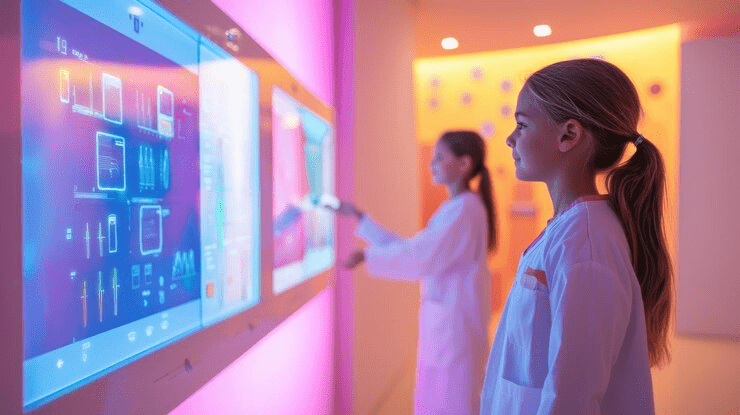
Hospitals and clinics need clear data to see what works and what needs change. This process involves gathering feedback, tracking engagement, and reviewing operational effects. Careful analysis guides better decisions and enhances patient satisfaction.
Collecting Patient Feedback
Patient feedback reveals how digital signage affects their visit. Surveys and comment cards capture opinions on content and clarity. Simple questions help patients share their thoughts quickly. This direct input shows if messages are helpful or confusing. Listening to patients builds trust and improves service quality.
Monitoring Engagement Metrics
Tracking screen views and interaction rates measures patient interest. Sensors and software record how long patients watch content. Higher engagement suggests messages are relevant and clear. Low interaction signals a need to adjust topics or display style. Data-driven insights help optimize digital signage impact.
Analyzing Operational Improvements
Digital signage can speed up check-ins and reduce waiting times. Monitoring these changes shows operational benefits beyond patient feelings. Staff reports and system logs provide evidence of efficiency gains. Improved workflow supports a smoother patient journey. This analysis links digital signage to better healthcare delivery.
Adjusting Strategies Based On Results
Results guide changes in content and technology use. Providers can test different messages to find the best fit. Continuous updates keep patients informed and engaged. Flexibility ensures digital signage adapts to patient needs. This ongoing process boosts overall experience and satisfaction.
Future Trends In Healthcare Digital Signage
The future of healthcare digital signage promises many exciting changes. These advancements aim to make patient experiences smoother and more engaging. Technology will play a bigger role in how information is shared in waiting rooms and hospitals. The focus will be on personalization, interaction, and sustainability. Here are some key trends shaping the future of healthcare digital signage.
Artificial Intelligence And Personalization
Artificial intelligence (AI) helps tailor messages to each patient. Digital signs can show content based on patient needs and preferences. AI can analyze data to predict the best time to share information. This creates a more personal and helpful experience. Patients feel more cared for when information matches their situation.
Augmented Reality Applications
Augmented reality (AR) adds digital layers to the real world. In healthcare, AR can guide patients through facilities. It can show directions or explain medical procedures on screen. AR makes waiting less boring and more interactive. It helps patients understand their care better with visual aids.
Wearable Device Integration
Wearable devices gather health data in real time. Digital signage can connect with these devices to share updates. Patients might see reminders or alerts on nearby screens. This link improves communication between patients and healthcare providers. It also helps patients stay informed and engaged.
Sustainability And Energy Efficiency
Healthcare facilities aim to reduce their environmental impact. New digital signs use less energy and last longer. LED screens and smart sensors help save power. Sustainable digital signage supports green goals without losing quality. Hospitals can improve patient care and protect the planet at once.
Frequently Asked Questions
Digital signage provides clear, real-time information to patients. It reduces anxiety by displaying wait times, directions, and health tips. Engaging content keeps patients informed and entertained, enhancing overall satisfaction and comfort in healthcare settings.
Digital signage in waiting rooms improves communication and engagement. It informs patients about services, safety protocols, and promotions. Visual content reduces perceived wait times, creating a more pleasant and efficient environment.
Yes, digital signage facilitates quick updates and alerts for healthcare staff. It streamlines communication about schedules, emergencies, and policy changes. This improves workflow and ensures staff stay informed in real time.
Digital signage is cost-effective by reducing printed materials and manual updates. It allows easy content changes and targeted messaging. Over time, it saves money and boosts patient satisfaction, supporting efficient healthcare operations.
Conclusion
Digital signage helps patients feel informed and calm in waiting rooms. It shares useful health tips and updates quickly and clearly. Patients stay engaged without feeling bored or stressed. Staff can focus more on care, not questions. Hospitals improve communication and patient satisfaction with this tool.
Small screens bring big changes to the patient experience. This simple step supports better healthcare for everyone.
To get help setting up easy-to-use, affordable Escreen digital signage software, start a Free trial of Escreen Software here.
If you would like, you can request a demoto discover how Escreen digital signage can work for you!
Brands that use seasonal signs show they care about trends and customer needs. This strategy supports long-term loyalty and brand recognition. Seasonal digital signage is an effective way to connect with customers. It adds value without extra effort or cost.